한국의한국의
other
/

뉴스

/

산업 뉴스

/Will Installing Solar Panels Damage the Roof?

Will Installing Solar Panels Damage the Roof?

Aug 11, 2026

Against the backdrop of global energy structure transformation, rooftop photovoltaic systems have become a popular choice for households and businesses due to their environmental and economic advantages. However, many homeowners and building managers often have a concern during the initial assessment phase: Will installing solar panels damage my roof? Will it increase the burden on the roof and even affect the safety of the house? These concerns are actually reasonable, as the roof is the most critical component in protecting the building. Improper installation could lead to severe consequences. Therefore, before deciding whether to install solar energy, understanding the relevant details and precautions can help make a suitable choice.

Firstly, we need to know several common reasons for roof damage:

① Unprofessional installation

Unprofessional drilling can lead to water leakage, uneven load-bearing of installed brackets, or cables pressing on weak materials on the roof, all of which can directly damage the building.

② Insufficient roof load-bearing capacity

The weight of the photovoltaic system is 30-50 kilograms per square meter. Long term installation of photovoltaic systems on roofs with insufficient load-bearing capacity may cause roof deformation.

③ Improper waterproof treatment

Insufficient waterproof protection during necessary perforation of the roof.

④ Lack of maintenance and natural aging

The erosion of sunlight and rainwater can indirectly highlight the rusting of brackets and damage to sealants, thereby endangering the safety of the roof.

There is no need to worry excessively about the above situation. When the roof bearing capacity is appropriate, adopting the correct waterproof treatment or choosing a design that does not penetrate the waterproof layer during installation can effectively reduce the risk of leakage. Here are several factors should be paid attention:

① Installation of sloping roof:

Sloping roofs are commonly used in residential buildings, and when installing solar systems, brackets or fixtures are typically used to secure the panels along the plane of the roof.

Attention: Improper drilling and sealing during installation may result in rainwater infiltration. In addition, the long-term pressure of solar system can have an impact on load-bearing components, especially in old structures.

② Flat roof installation:

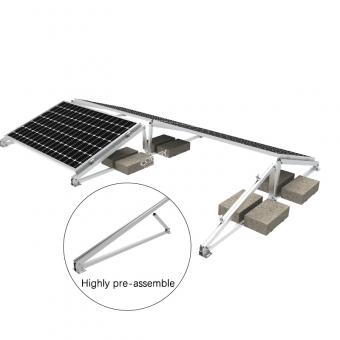
Traditionally, flat roofs are common in commercial buildings. The installation of photovoltaic systems generally adopts a ballast installation system (using heavy blocks, such as cement blocks), which can avoid penetrating the roof.

Attention:The ballast block may compress the waterproof membrane. Improper installation may also puncture the installed waterproof layer.

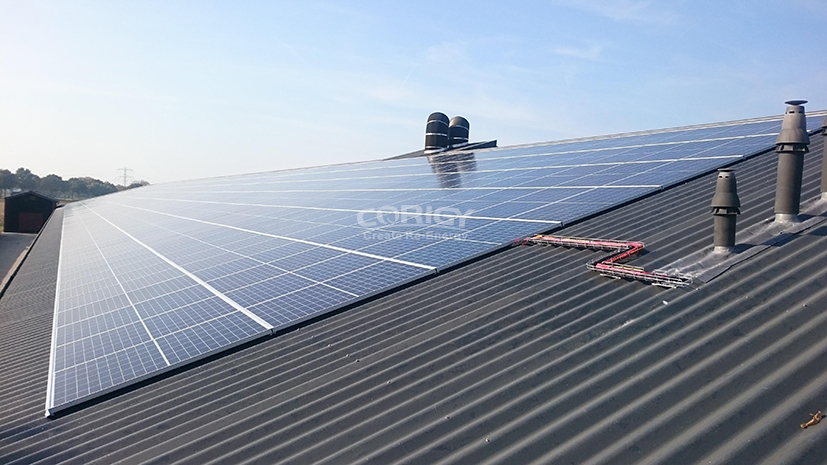
③ Metal roof:

Photovoltaic brackets can choose fixture systems as much as possible to avoid drilling holes; Apply double-layer sealant to the drilled area.

Attention: Tight fixtures can cause metal plates to bend and even damage the anti-corrosion layer of metal roofs, thereby affecting the roof structure.

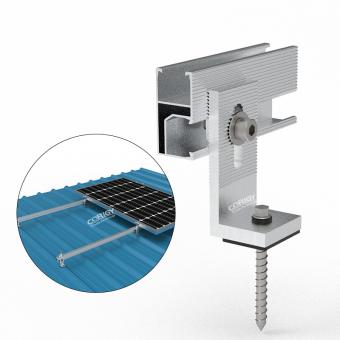
Metal roof solar clamps

For most concrete flat roofs or steel roofs, the weight of installing solar energy systems is within an acceptable range. Especially when matched with uniform distribution and appropriate fixing methods, it will not cause structural overload. But for greater safety and peace of mind, it is still recommended to pay attention to the following points before installation:

1. Professional review is required before installation:

① Is the building structure over 20 years old? If it is an old house, it is recommended to arrange a structural technician to inspect the roof load-bearing and aging condition.

② What is the material of the roof? Concrete roofs are the most stable, steel wave plates need to be reinforced with fixed design, and tile roofs need to pay attention to water tightness and steel structure perforation positions.

③ Has it ever been covered or has there been a special structure? It is necessary to avoid damaging the original waterproof layer or increasing local load during construction.

④ Load testing: Verify the roof load and snow/wind load of the photovoltaic device.

⑤ Waterproof inspection: Pre-inspect and repair cracked waterproof layers.

⑥ Shadow analysis: Avoid efficiency loss caused by shadows and reduce local thermal damage.

2. Choose the appropriate installation plan

Sloping roof: It is best to use clips/hooks to fix it; Waterproof casing and sealant should be used during drilling.

② Flat roof: Multiple ballast schemes can be selected. Pay attention to providing a protective layer underneath the ballast.

③ Corrugated metal roof: It is recommended to use specialized fixtures with moderate pressure; Regularly inspect the anti-corrosion coating.

3. Continuous maintenance and risk control

Regular inspection: Check if the bracket is loose, if the sealant is damaged, or if the cable is worn, especially before the rainy season, conduct a waterproof inspection.

Cleaning: Remove accumulated dust/snow to prevent uneven tension.

Performance monitoring: Install data loggers to detect any electrical or structural abnormalities.

Tile roof solar brackets

In summary, selecting qualified manufacturers, proper engineering design, and conducting pre- structural assessments, installing solar panels not only does not damage the roof, but may also improve the shading effect of the roof and extend the lifespan of the roofs waterproof layer. As a supplier of photovoltaic installation systems with over 15 years of experience, CORIGY can provide various roof installation solutions, including hook solutions for sloping roofs, clamp solutions for metal roofs, and ballast solutions for flat roofs. You can visit our official website to inquire about relevant cases.


CORIGY SOLAR more professional and flexible solar mounting solutions waiting for you here! CONTACT US!
Above news from CORIGY SOLAR Sales & Marketing department
Phone: +0086-592-6883200
E-mail: sales@corigy.com


제품 카테고리
지상 장착 시스템

주로 만들어하여 직류 전기를 통한 강철,양극 처리 알루미늄 및 ZAM 재료

태양열 액세서리

OEM 서비스를 공급하고 액세서리입니다. No 수량 제한,그리고 무료 견본이 필요한 경우

Metal Roof Mounting System

Install solar panel on the metal roof by standing seam, klip-lok, L foot or other clamps.

평평한 지붕 설치 체계

에 적합한 기와 지붕,양철지붕 및 평지붕 etc.

Carport Mounting System

Carbon Steel Solar Carport Mounting Structure

Grounding Screw / Pile

Grounding screw for ground mounting structure

RV Mounting System

Portable easy install solar panel mounting bracket for RV or yacht

독립형 태양열 저장 시스템

외부 전원 공급 장치와 완전히 독립적이며 그리드 액세스가 없는 지역에 적합

하이브리드 태양열 저장 시스템

고효율 및 비용 절감형 태양광 발전 시스템

메시지를 남길
메시지를 남길
당신이 우리의 제품에 관심이 있고 세부 사항을 더 알고 싶은 경우에, 여기에 메시지를 남겨주세요

제품

연락처