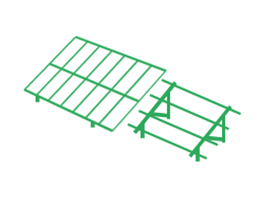
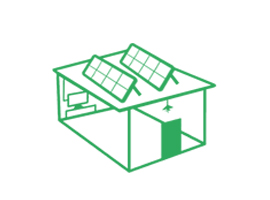
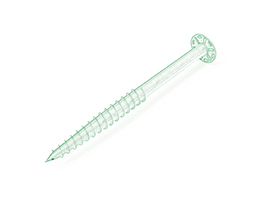
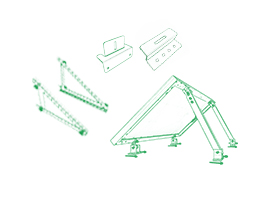
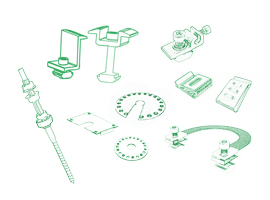
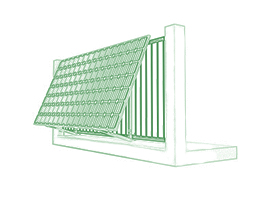
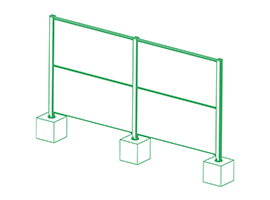
응용 분야 평지붕 태양광 발전 지원 시스템 태양광 발전 시스템은 주거용 건물, 상업용 건물, 산업 플랜트 등 다양한 분야를 포괄하는 광범위한 시장입니다. 그중에서도 주거용 건물은 막대한 시장 수요와 넓은 시장 규모로 인해 평지붕 태양광 발전 시스템 수요의 주요 원천이 되었으며, 전체 시장 점유율의 약 40%를 차지하고 있습니다.
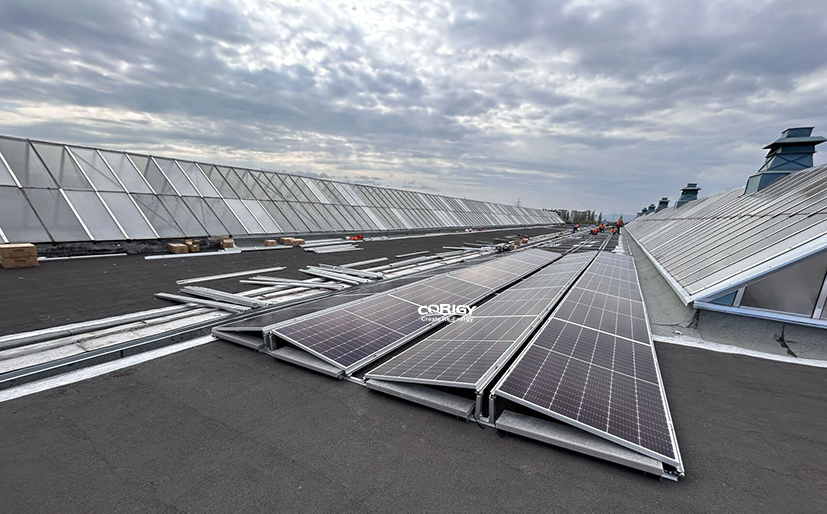
수많은 태양광 패널 거치대 솔루션 중에서 다음 세 가지 사항을 고려해야 합니다. 주의 깊게 살펴보았다 :
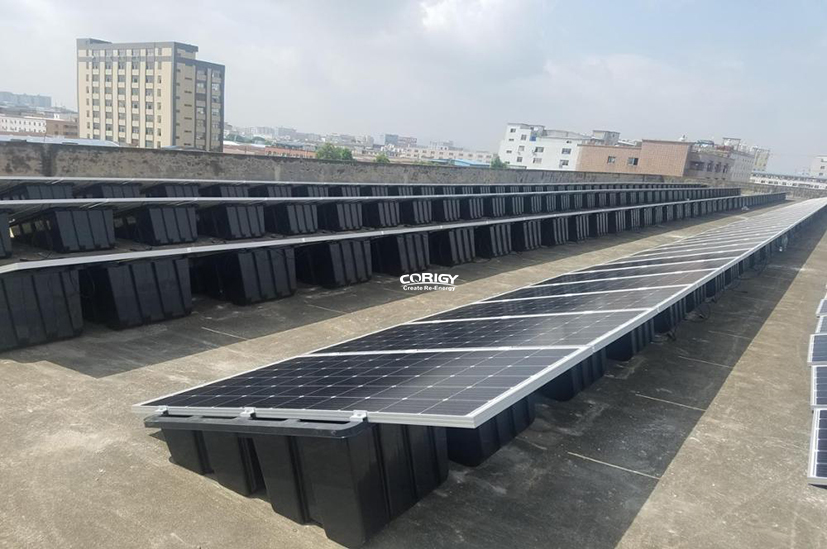
1. 태양광 패널을 평평하게 설치하지 마십시오: 설치 기준 치수 태양광 패널을 평평하게 놓으면 먼지가 쉽게 쌓여 발전량 손실, 불편한 청소, 고인 물 제거의 어려움 등의 문제가 발생할 수 있습니다. 또한 자연 강우를 통해서도 먼지가 쉽게 제거되지 않습니다. 따라서 패널을 평평하게 놓을 때는 최적의 방향을 향하도록 5~10도 정도의 경사각을 주는 것이 좋습니다.
2. 장애물 문제를 고려해 보세요: 발전 효율 태양열 태양광 패널은 직사광선에 매우 의존적이며, 나무나 건물 등에 가려지면 발전 효율이 심각하게 저하됩니다. 설치 전에 그림자를 가리는 장애물을 제거해야 합니다. 장애물을 제거할 수 없는 경우 설치 장소를 변경하는 것을 고려해야 합니다.
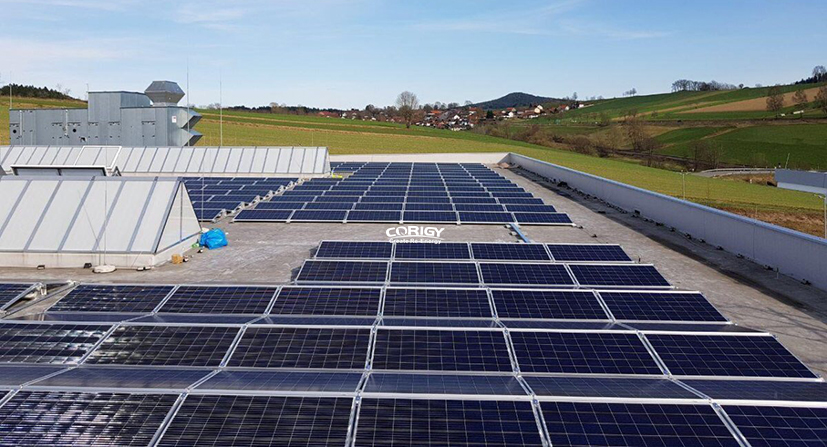
3. 지붕 구조 및 방수 문제에 주의하십시오: 태양광 패널의 무게와 태양광 설치 구조물 지붕에 하중이 가해지면 오래되거나 구조적으로 약한 지붕에 부담을 줄 수 있습니다. 설치로 인한 장기적인 하중은 다음과 같습니다. PV 브래킷은 피로를 유발하고 지붕 구조에 잠재적인 손상을 초래할 수 있습니다. 일부 태양광 지붕 브래킷 설치 시 지붕에 구멍을 뚫어야 하므로 기존 방수층이 손상되고 누수 가능성이 높아질 수 있습니다. 따라서 설치 전에 지붕 구조와 방수층을 점검하고 필요한 경우 보수해야 합니다.
평지붕 설치를 위해 태양열 브래킷 일반적으로 사용되는 기초 유형은 자갈 기초와 콘크리트 기초입니다. 설치 괄호 유형 CORIGY는 가지고 있습니다. 이상 15년 경력의 태양광 패널 브래킷 설계 및 생산 경험을 바탕으로, 지붕의 하중 지지력을 고려하여 브래킷 설치가 간편하고 견고하며 안전한 풍속 범위 내에서 효율적인 전력 생산이 가능하도록 다양한 전문 설계 솔루션을 제공합니다.
Install solar panel on the metal roof by standing seam, klip-lok, L foot or other clamps.

태양 CORIGY , 11 년 동안의 경험을 연구,제조 및 판매 태양광 장착 시스템입니다. 우리는 항상 노력하고 최고의 제공에 대한 지원을 포함하여,빠른 응답,비용,QC,디자인,대리점을 지원합니다.
메일 주소
sales@corigy.com전화
0086-592-6883200위치
No.893,Haicang Avenue,Haicang District,Xiamen City,China.

 IPv6 지원 네트워크
 한국의
한국의 English
 español