한국의한국의
블로그

A Real Situation from a Client Last Week

March 17 , 2026

A Real Situation from a Client Last Week

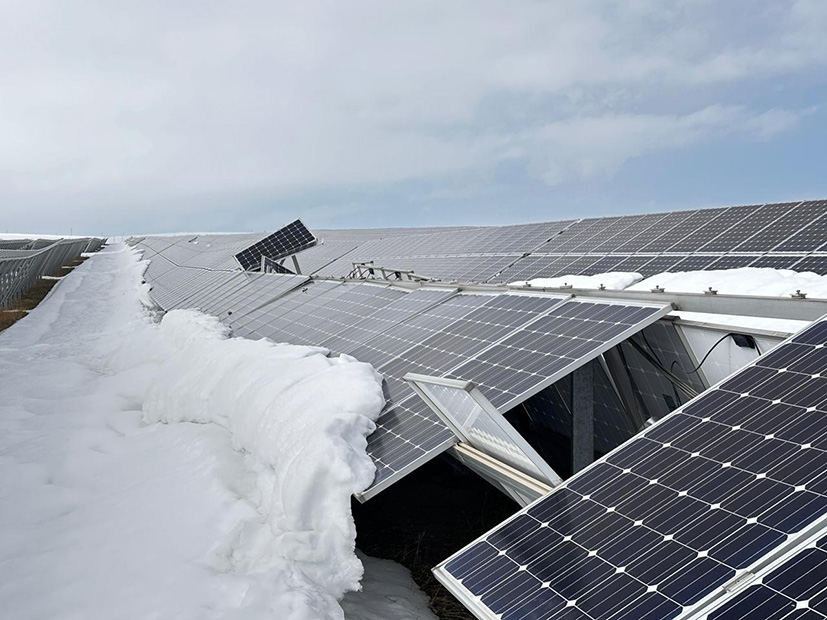
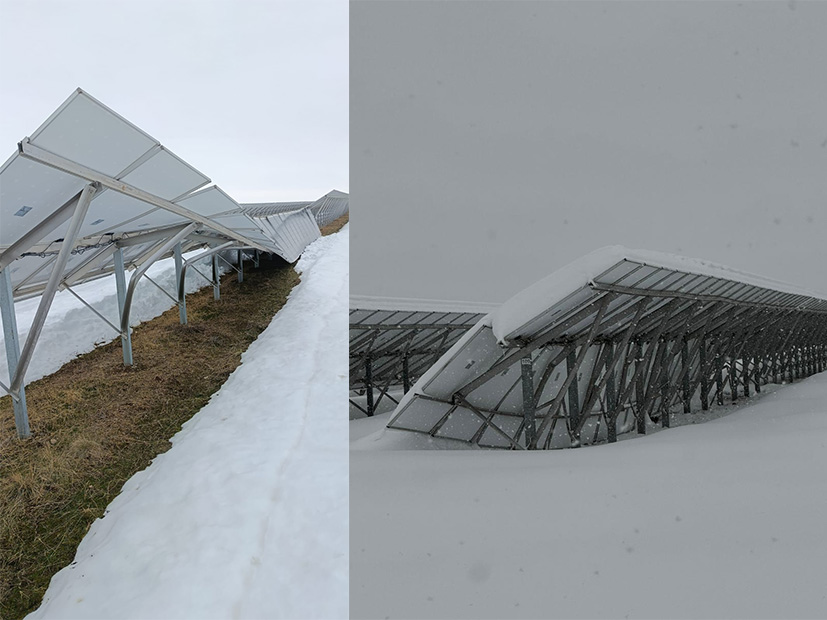
Last week, a client from Kazakhstan contacted us with a serious issue. One of their previously (by their previous supplier) installed solar projects experienced structural damage during winter. After a period of heavy snowfall, several mounting structures were bent and partially collapsed under the snow pressure. The client shared photos of the damaged installation and asked if we could assist in analyzing the cause and providing a solution. After reviewing the situation with our engineering team, the conclusion became quite clear. The system had not been designed for the actual snow load conditions of the project location. As a result, the structure's load capacity was significantly lower than the real environmental load.


What Went Wrong in the Design?

From an engineering perspective, the problem usually comes from several common design mistakes:

1. Underestimated local snow load

In many northern regions, the design snow load can reach 1.5–2.5 kN/m² or even higher, depending on elevation and local climate.

If the design assumptions are too conservative, the structure may face loads far beyond its capacity.

2.  Excessive support columns / rail span.

Excessively wider spans of support columns/guide rails reduce material usage but significantly increase deflection risk under heavy snow.

Once rails/beams/supports begin to bend, the load distribution becomes uneven and structural failure can follow.

3.  Insufficient structural stiffness

Even if the material strength seems sufficient, structural stiffness plays a critical role in preventing deformation.

This is often overlooked when cost reduction becomes the priority.

Why Snow Load Can Be More Critical Than Wind Load

Many Supplier first ask “What is the maximum wind speed?”

But in many northern regions/Asia such as Kazakhstan Central Asia, Northern Europe, Canada, Northern United States, snow load can actually be the governing factor in structural design. Unlike wind load, which is dynamic and temporary, snow load creates continuous vertical pressure that can last for days or weeks. This sustained load is often what leads to beam bending and mounting system deformation.

Key Engineering Lesson

Solar mounting systems should always be treated as structural engineering components, not simple accessories.A reliable design must carefully consider:

1. Local wind and snow load data

2. Support / Rail span and structural stiffness

3. Safety factors in structural calculation

4. Connection strength and material performance

Ignoring any of these factors can significantly increase the risk of structural failure.

In Corigy Solar, we have always believed that performing the preliminary work thoroughly demonstrates our responsibility to our clients.When we got a enquirer, the first thing we do is to ask the project information (including max wind speed and snow load) from customer. Then our engineer team will do some structure calculation to ensure the materiel we provide can withstand the max wind speed and snow load.


CORIGY SOLAR more professional and flexible solar mounting solutions waiting for you here! CONTACT US!
Above news from CORIGY SOLAR Sales & Marketing department
Phone: +0086-592-6883200
E-mail: sales@corigy.com


제품 카테고리
지상 장착 시스템

주로 만들어하여 직류 전기를 통한 강철,양극 처리 알루미늄 및 ZAM 재료

태양열 액세서리

OEM 서비스를 공급하고 액세서리입니다. No 수량 제한,그리고 무료 견본이 필요한 경우

Metal Roof Mounting System

Install solar panel on the metal roof by standing seam, klip-lok, L foot or other clamps.

평평한 지붕 설치 체계

에 적합한 기와 지붕,양철지붕 및 평지붕 etc.

Carport Mounting System

Carbon Steel Solar Carport Mounting Structure

Grounding Screw / Pile

Grounding screw for ground mounting structure

RV Mounting System

Portable easy install solar panel mounting bracket for RV or yacht

독립형 태양열 저장 시스템

외부 전원 공급 장치와 완전히 독립적이며 그리드 액세스가 없는 지역에 적합

하이브리드 태양열 저장 시스템

고효율 및 비용 절감형 태양광 발전 시스템

메시지를 남길
메시지를 남길
당신이 우리의 제품에 관심이 있고 세부 사항을 더 알고 싶은 경우에, 여기에 메시지를 남겨주세요

제품

연락처